Space science
NASA publishes photo
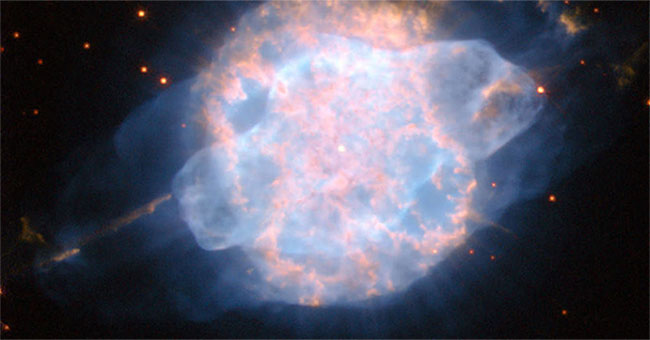
NASA has just released a picture of the NGC 3918 nebula, which has an eye shape.
Browse ScienceInfo articles and explainers related to Hubble Telescope.
56 published items.
NASA has just released a picture of the NGC 3918 nebula, which has an eye shape.
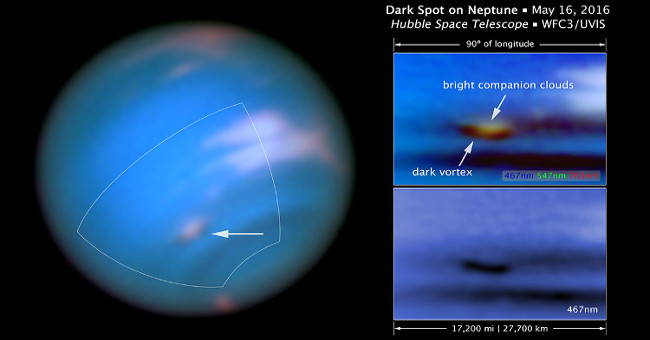
NASA's Hubble telescope has the opportunity to look over the surface of Neptune and discover a giant oval storm.
Recently, data from the Hubble Space Periscope has been used by aerospace experts, to analyze a phenomenon we can first observe
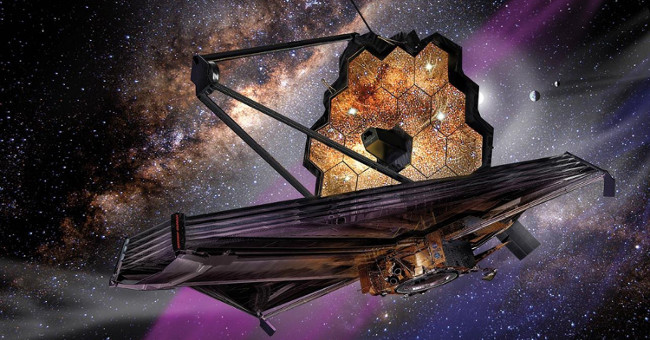
The Hubble Space Telescope, named after American astronomer Edwin Powell Hubble, was first launched into Earth orbit in April 1990.
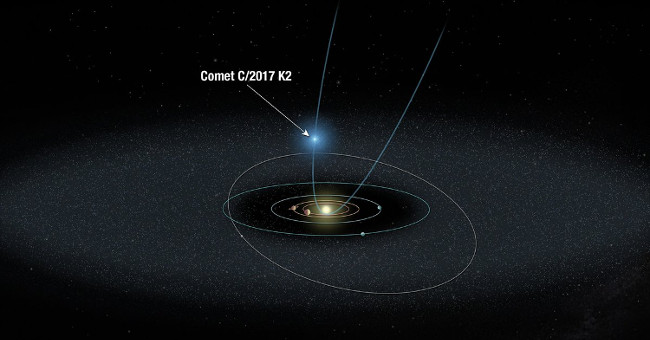
At a distance of 2.4 billion km, beyond Saturn's orbit, the Hubble Space Telescope captured a powerful active comet.
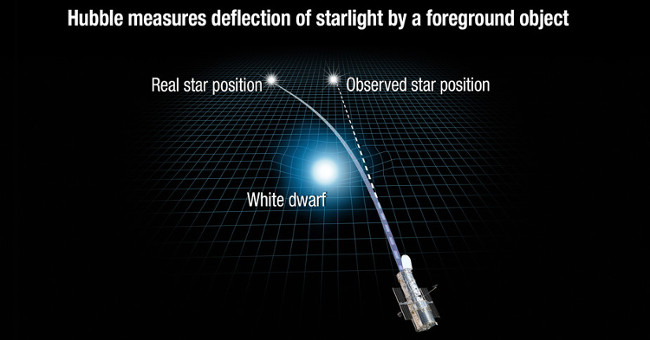
The researchers revealed how the gravitational pull of a white dwarf bends space and bends the light of a distant star behind it.
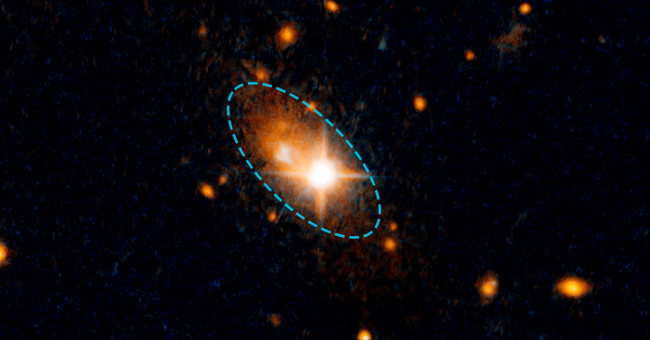
The Hubble Space Telescope has discovered a giant black hole believed to be the largest ever outside the galactic core with a mass of more than 1 billion times the Sun.

UGC 12591 - This giant hybrid galaxy is located 400 million light-years from Earth and is one of the largest known galaxies in the universe.
The number of galaxies that exist in the universe actually reaches 2,000 billion, 20 times more than previously calculated.
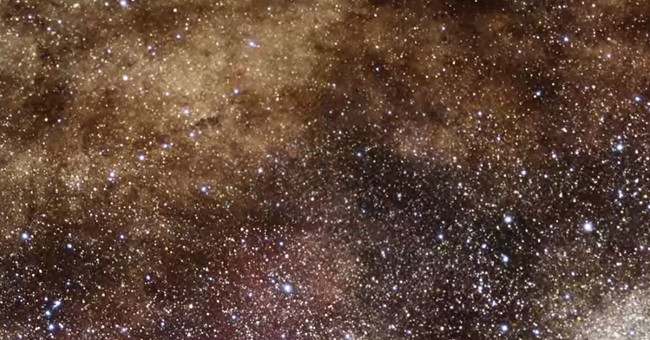
Through the Hubble space telescope, scientists in Italy have discovered a dense cloud of stars in the middle of the Milky Way galaxy, which can reveal a lot about the pa…
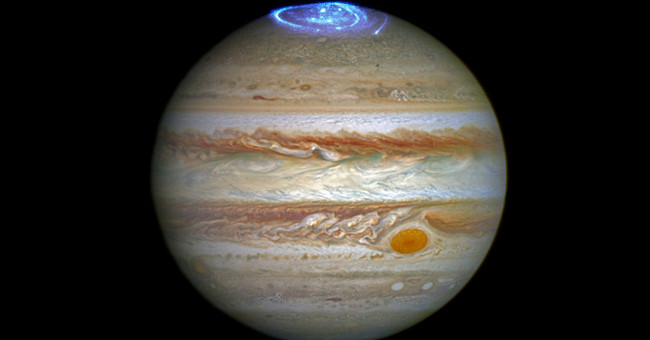
Jupiter's magnetic field is hundreds of times higher than Earth's, so the aurora phenomenon on this planet never stops and has a greater intensity than on Earth.
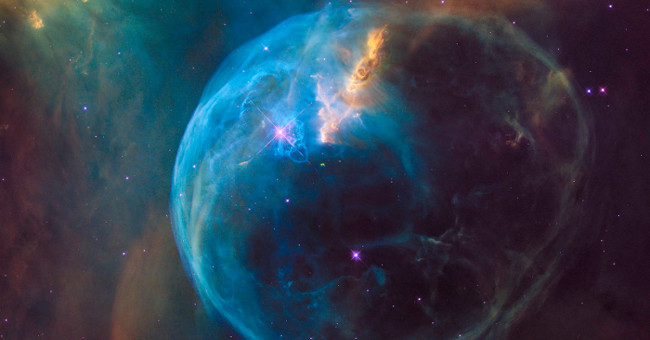
April 21 is the 26th birthday of the Hubble Space Telescope. To commemorate this important day, NASA announced the stunning images of a Bubble Nebula recorded by Hubble.
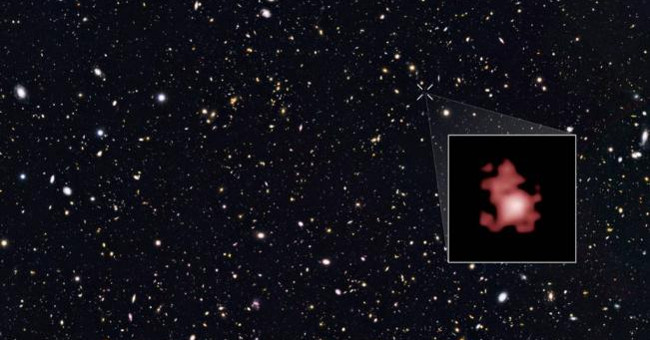
The US Aerospace Agency's Hubble Telescope set a new record when finding GN-z11, the most distant galaxy located 13.4 billion light-years from Earth.
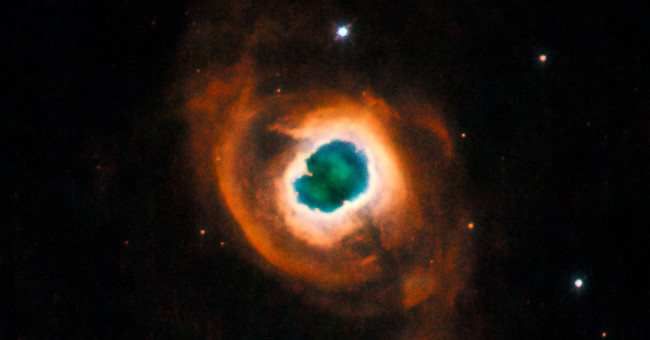
The European Aerospace Agency (ESA) has just released an image of a dying star, reflecting what will happen to our Sun in the next 5 billion years.
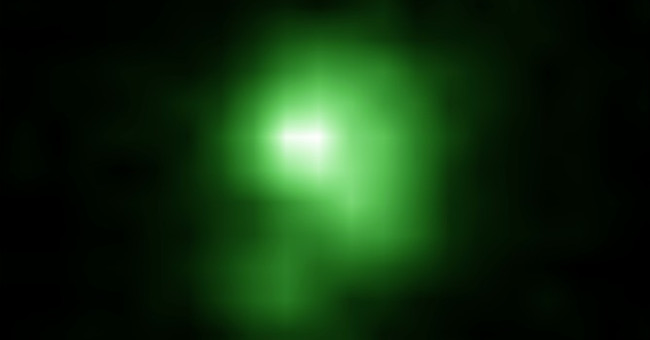
Hubble Space Telescope has just caught sight of a compact planet called J0925. A new planet is like a newly discovered green pea.